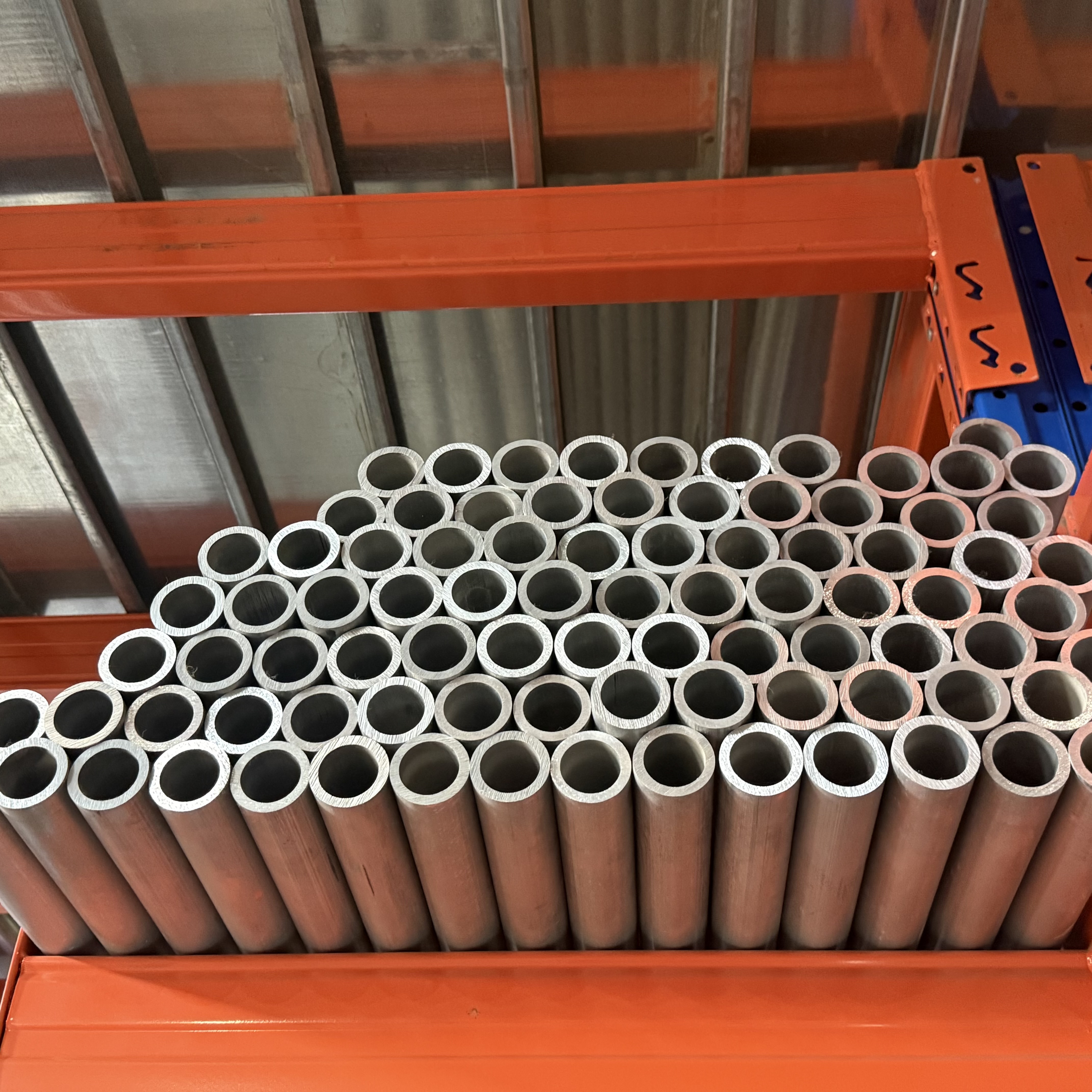
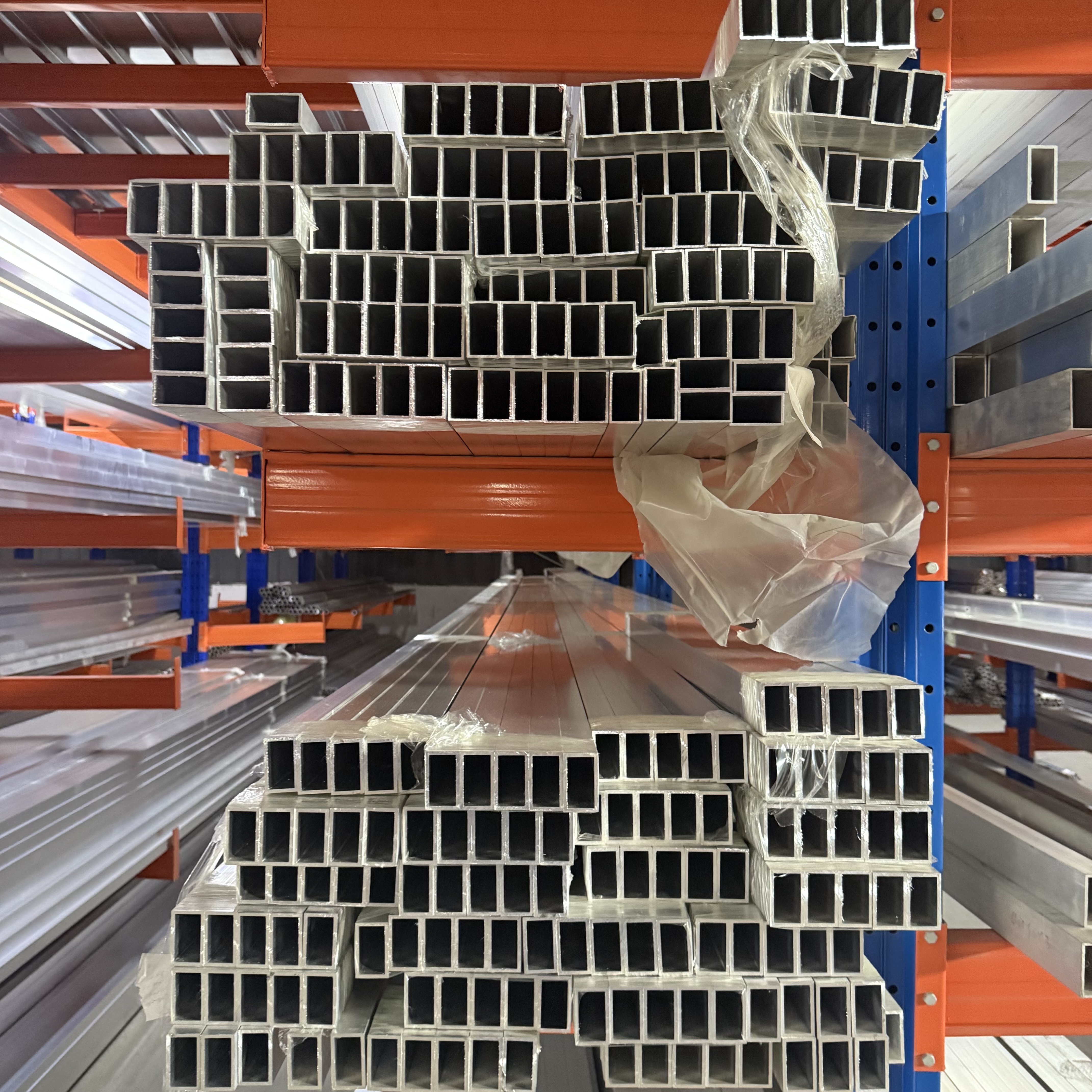
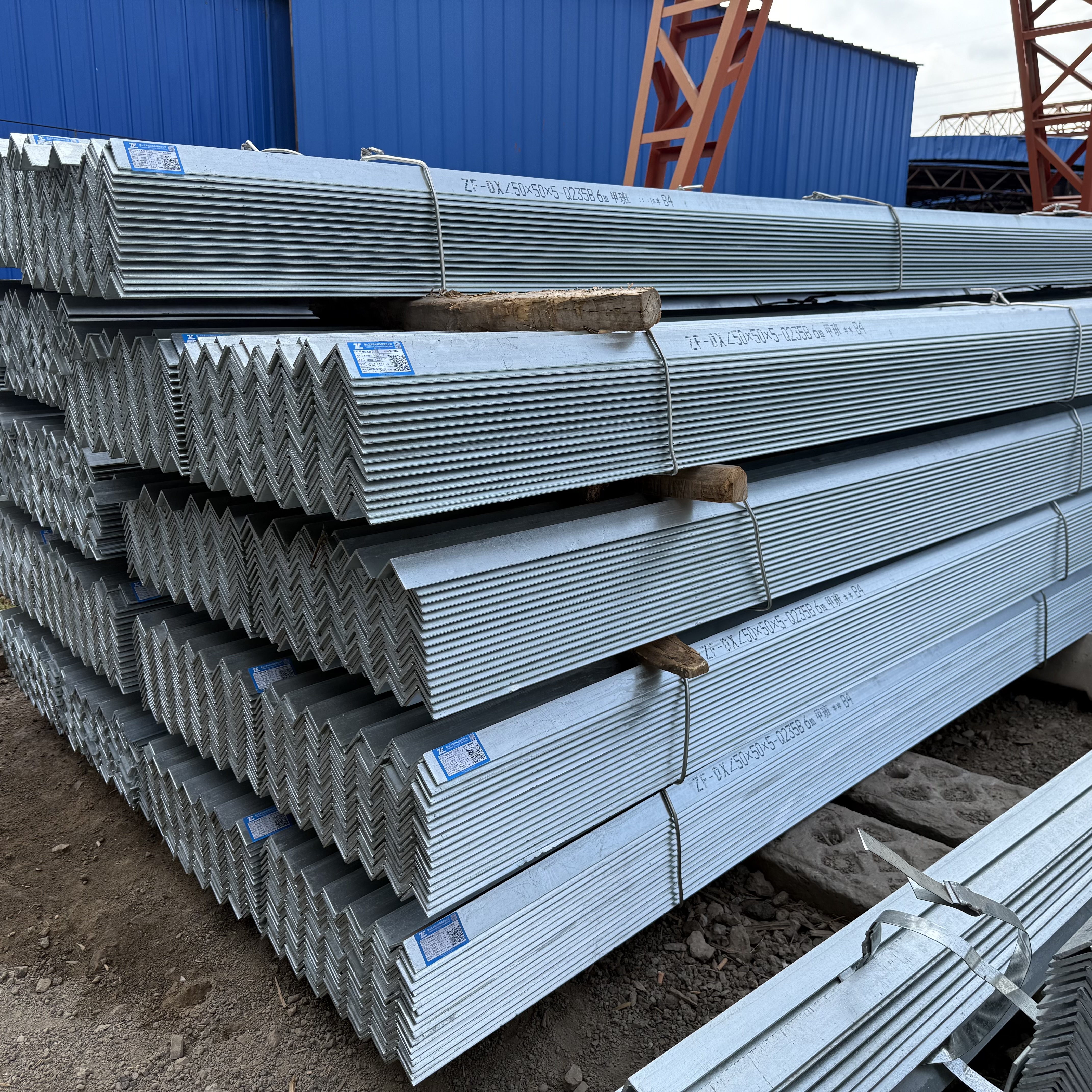
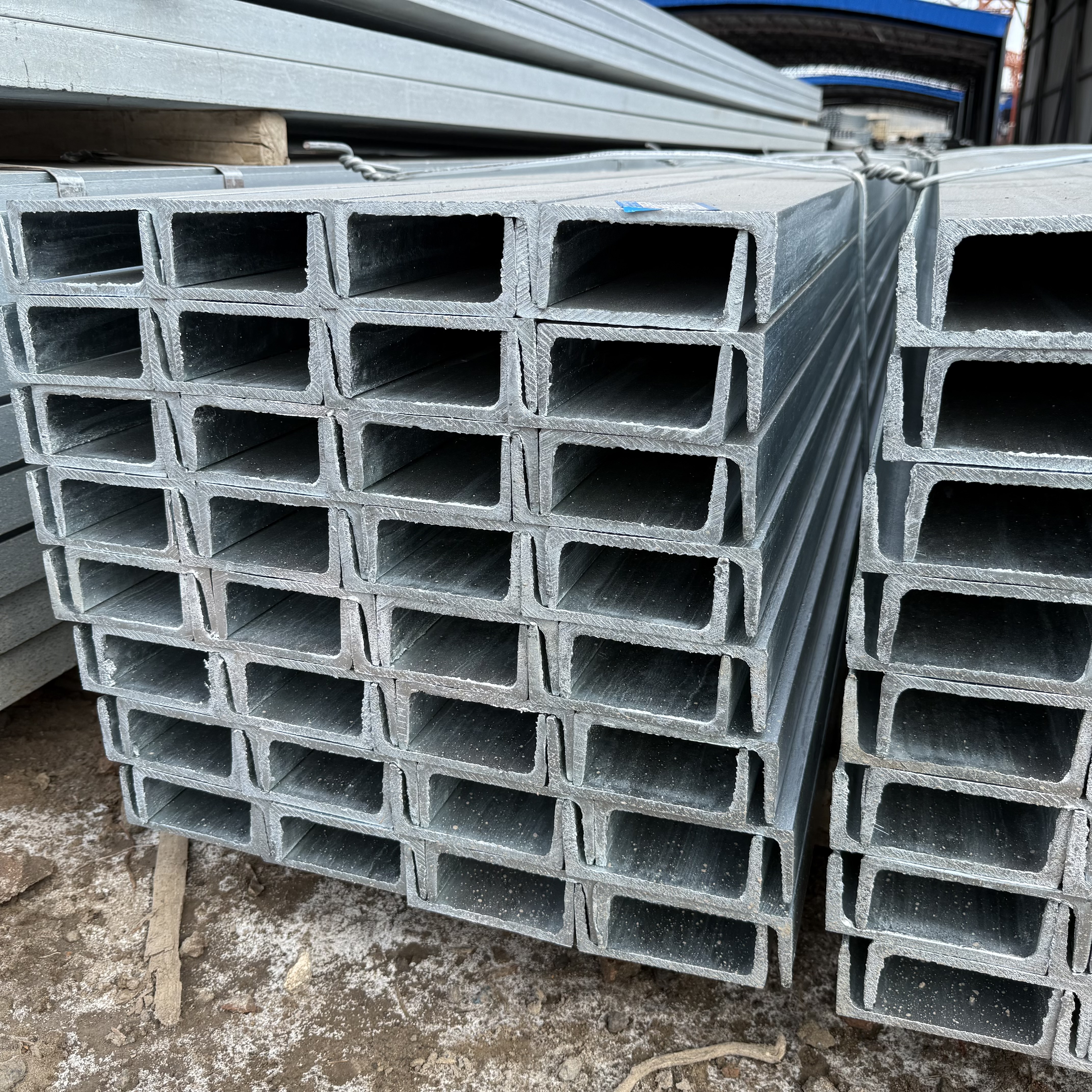
Local warehouses or trade shows can be useful places to do research as well. At these festivals, you get to see the racks up close and speak with salespeople. Kunyu able to provide you with more information about the products an help you determine which will work best for your needs. It’s warehouse racking design also an opportunity to ask questions
Occasionally, Kunyu go on sale or offer some kind of discount to incentivize you as you build, so it’s worth an eye out for those things. You could also get quotes from several companies to find who gives you the best deal. If you find a good price, be sure to read the automated storage and retrieval system
Another issue is that people might not use the racking system properly. Occasionally things are stacked haphazardly, or item will get put away in the wrong place by accident. It can be difficult to find what you looking for and time consuming. To solve this automated storage systems, you an simply Kunyu each shelf.
Demonstrate that best ways to load and unload pallets. That an help prevent accidents and keep everything running smoothly. Another suggestion is to organize your racking. Help worker easily locate what the need by using labels and Kunyu signage. This integrated warehousing solution saves time an minimize error opportunities.
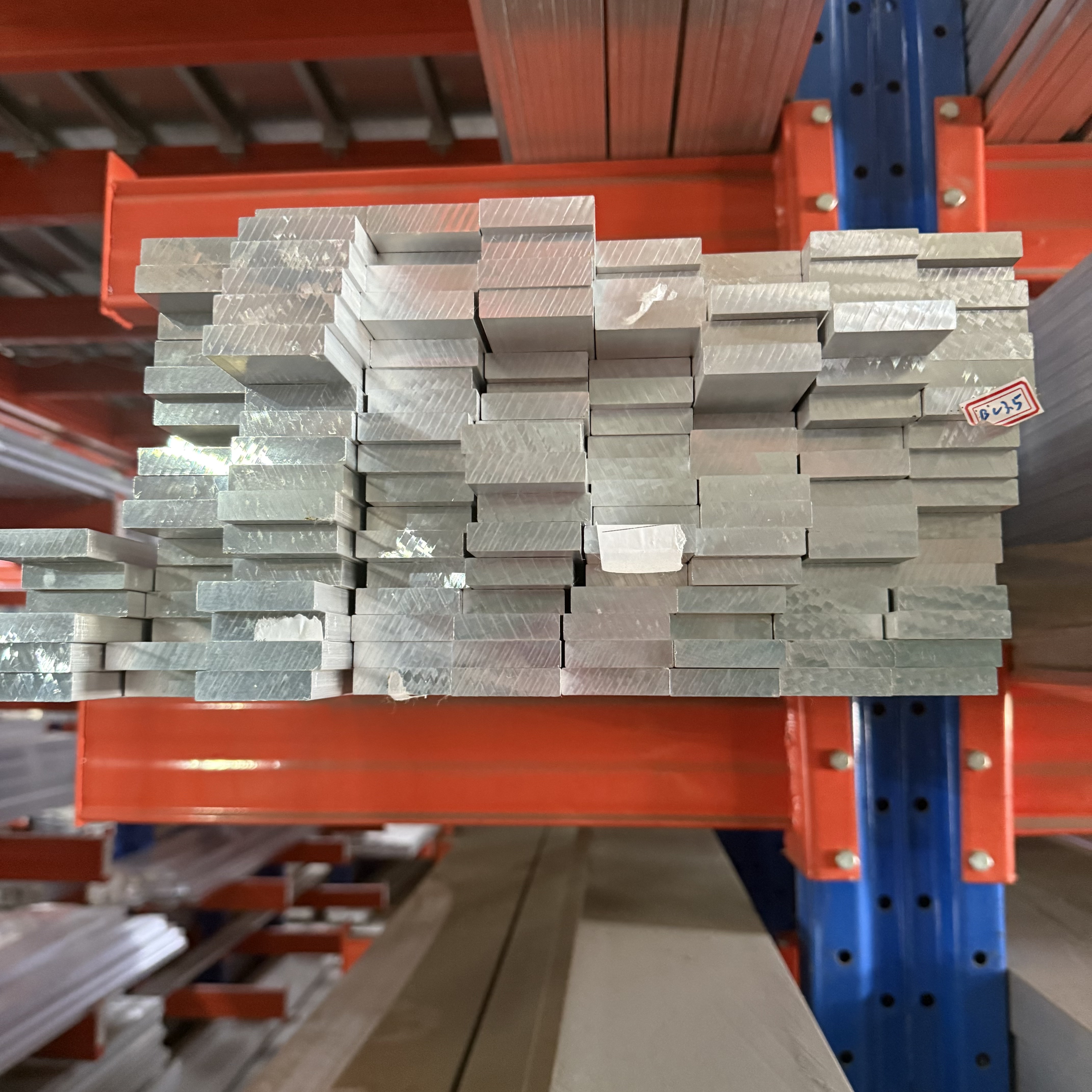
The steel Kunyu racking help with that. Next, it is adjustable. This is good news because it allows you to adjust the shelves’ height, allowing them to accommodate various sizes of pallets. If you receive newer items that integrated warehousing solution
We maintain strategic partnerships with major domestic and international steel mills, operate port warehouses, and implement professional warehouse management to ensure timely, secure, and competitively priced supply worldwide.
Based near Tianjin Port—Northern China’s largest comprehensive port—we leverage strong logistics networks to provide efficient and cost-effective shipping solutions to 200+ countries and 800+ global ports.
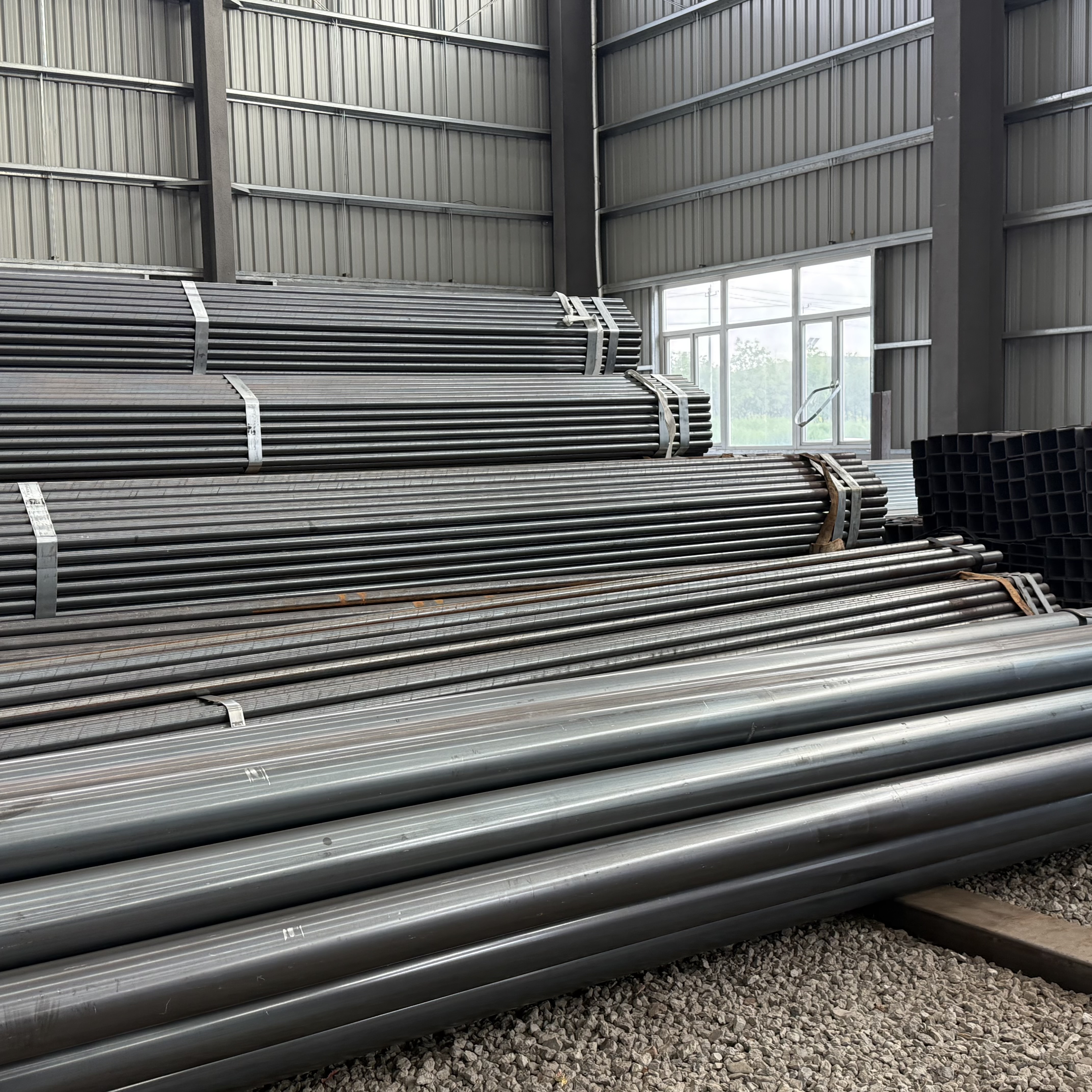
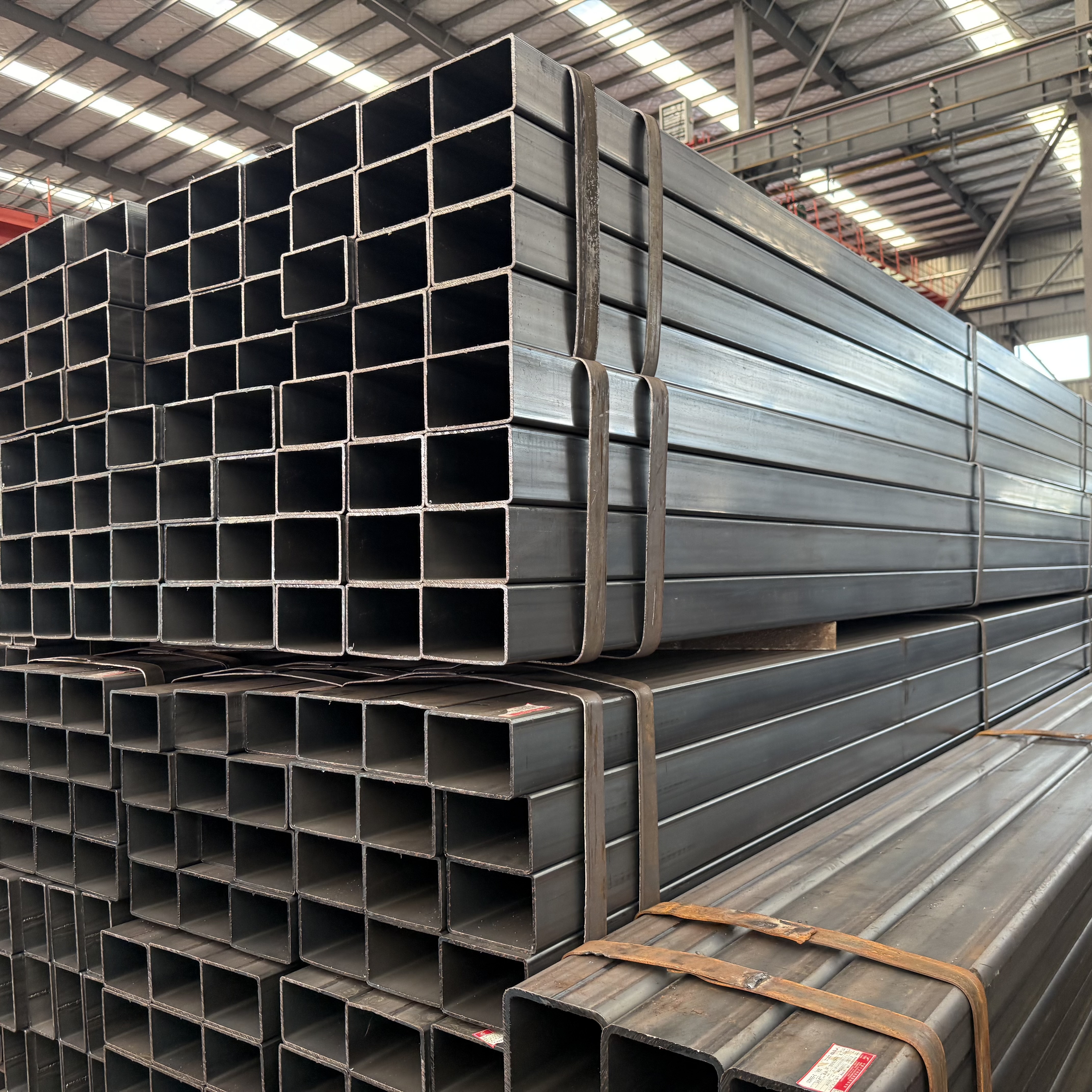
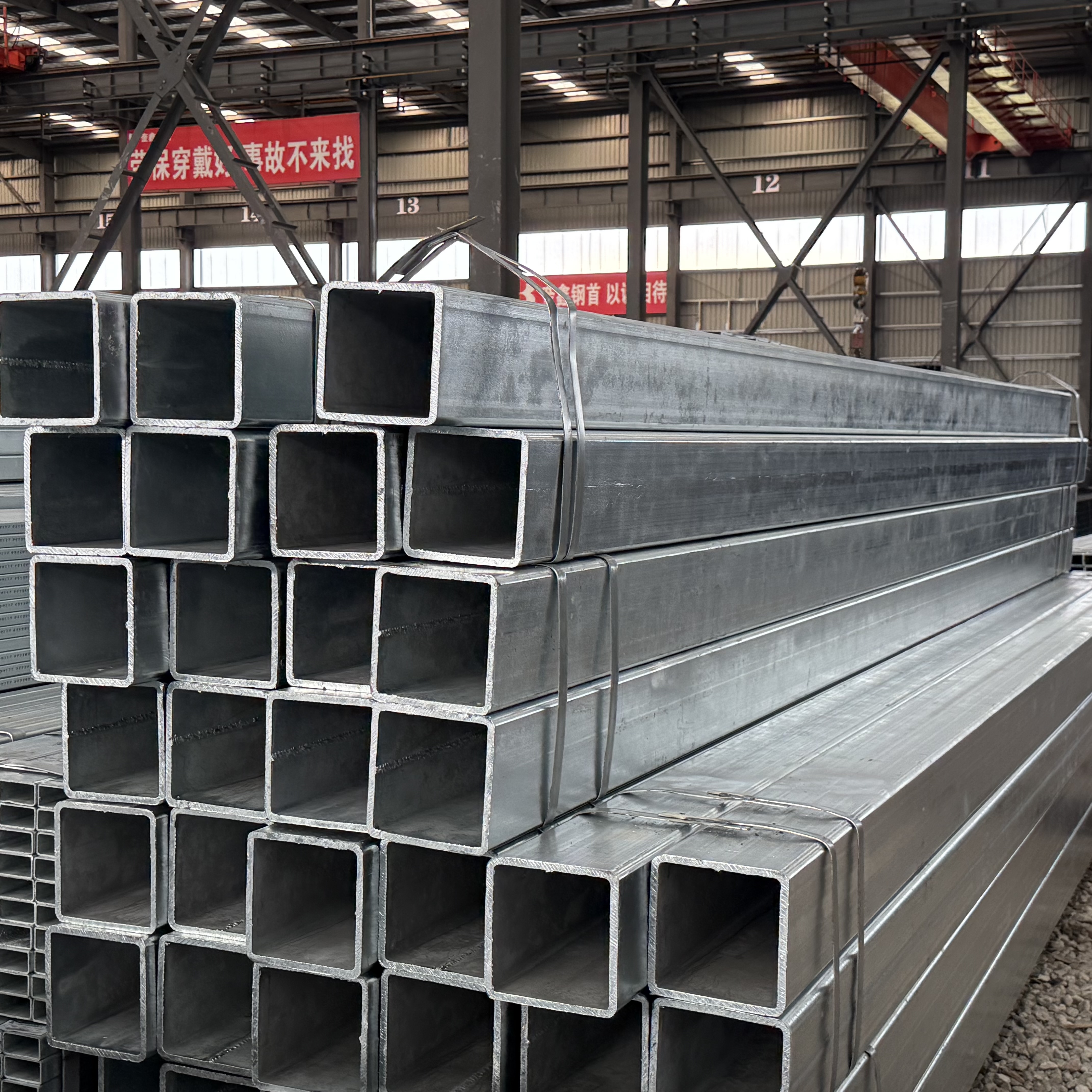
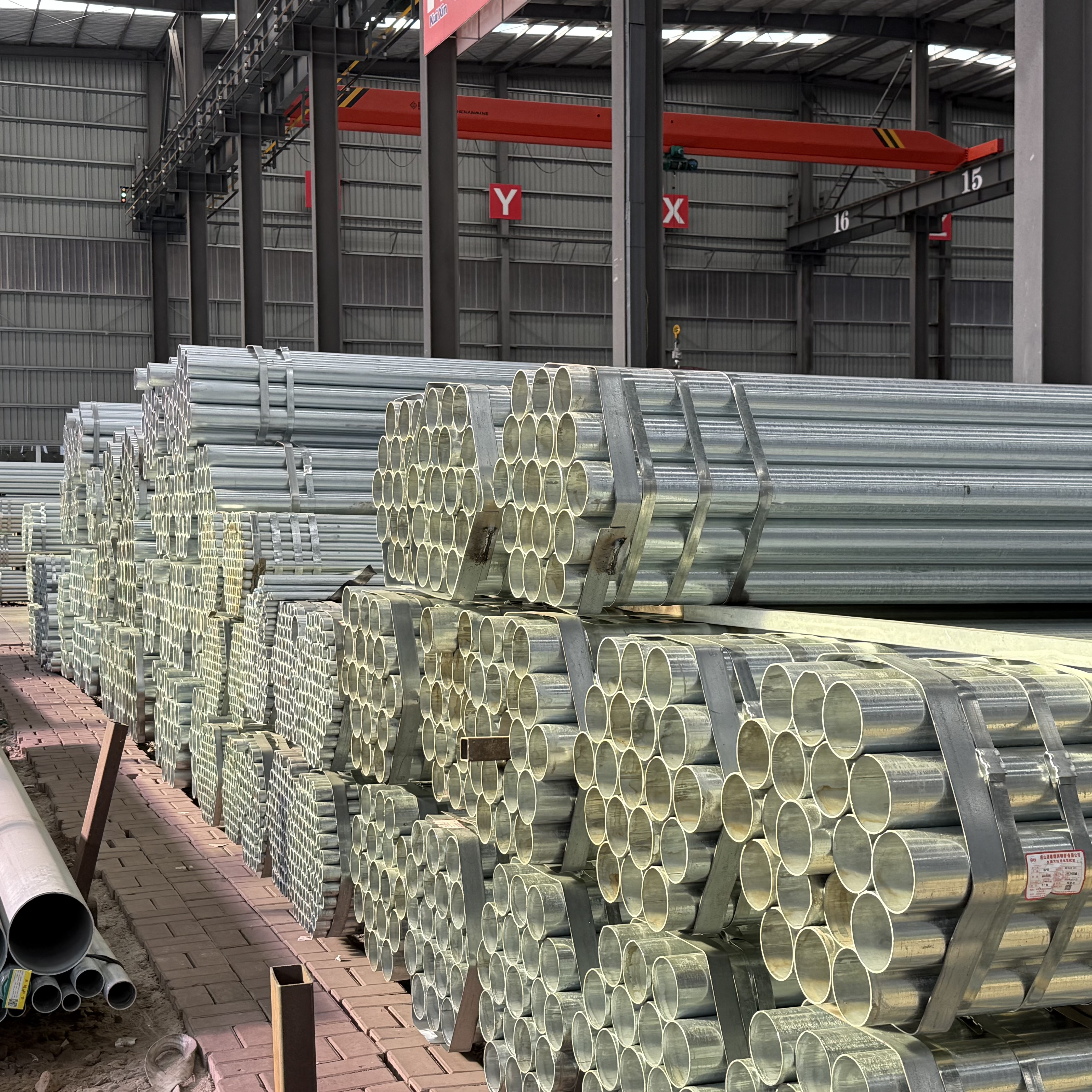
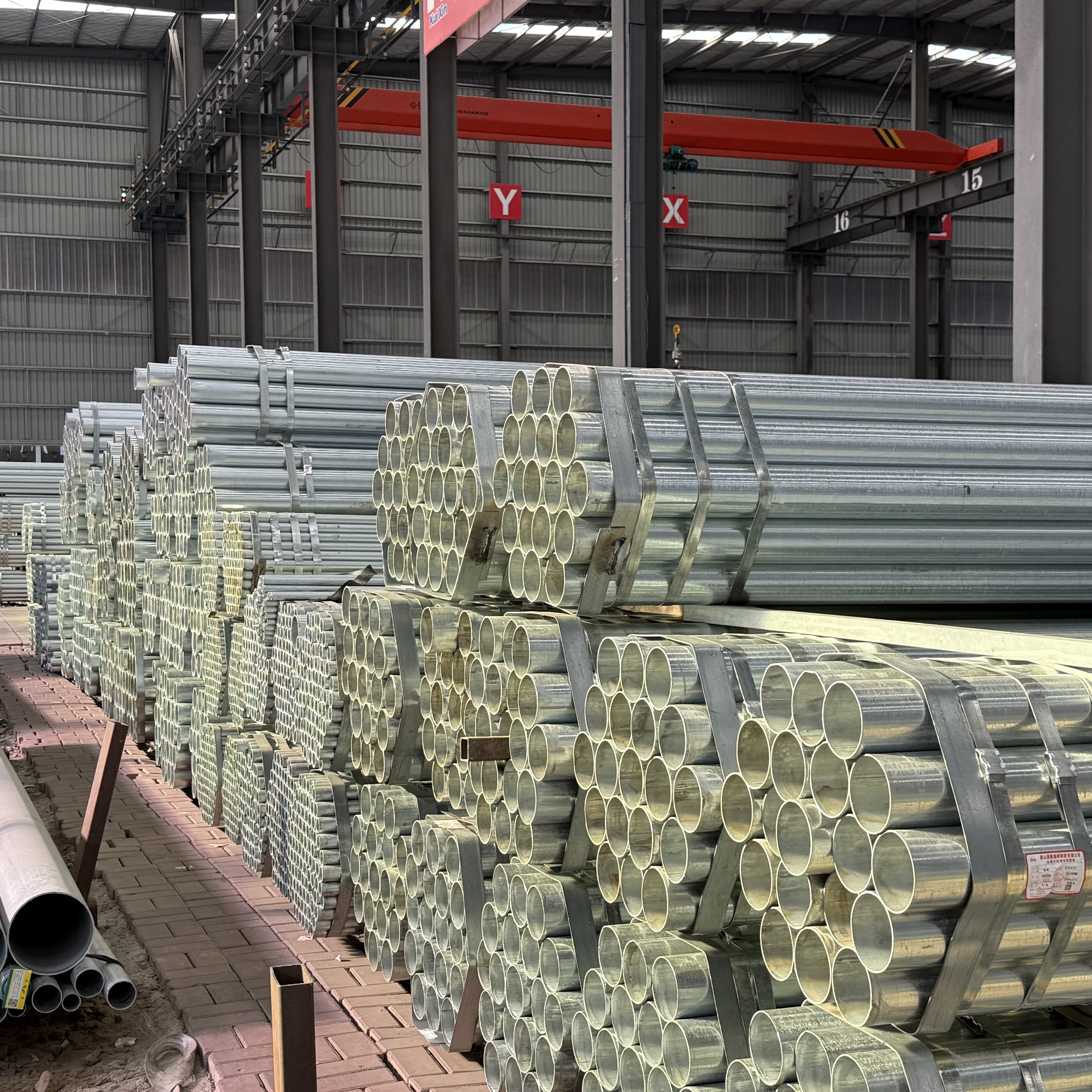
Our factory produces a wide range of high-quality steel pipes including carbon steel, galvanized, anti-corrosion, and seamless pipes, supported by dedicated technical teams to meet specialized client needs.
We combine over 15 years of steel pipe manufacturing experience with professional international trading, offering a seamless supply chain from production to global delivery.
 EN
EN