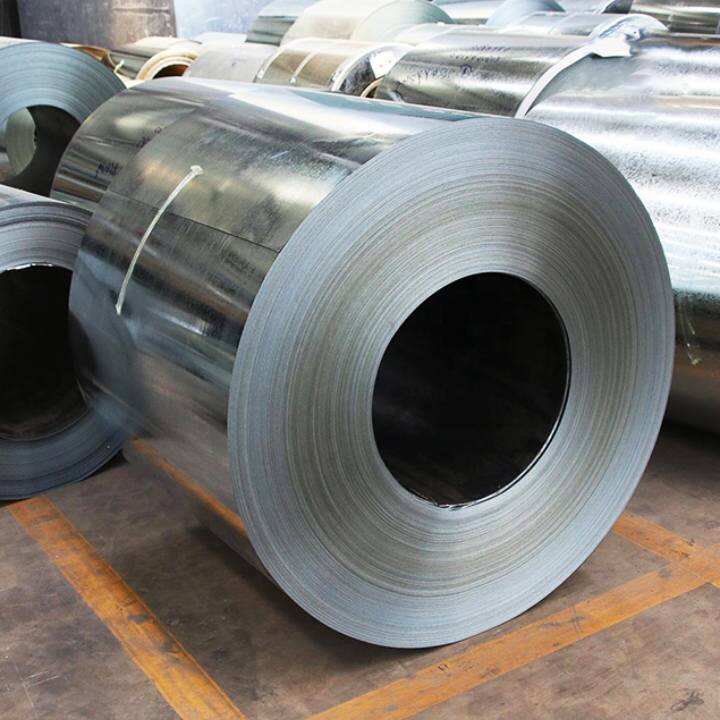
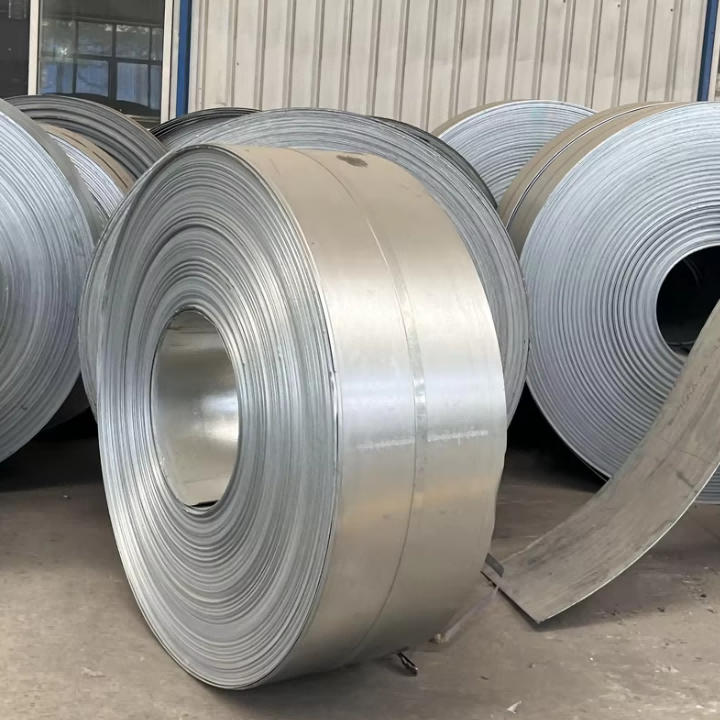
Carbon steel plates vary from 3/16-inch to more than 3 inches thick, and are used in construction and manufacture of everyday objects. Think about steel: It’s not one type but a multiplicity of types mixed with carbon to provide both strength and malleability. Some are softer, others harder. This range helps Kunyu produce steel plates that are suitable for various jobs. Carbon steel plates are used in bridges, buildings, cars and machinery because they can tolerate heavy weight and get rough use. Selection of the proper grade is also important, since different grades can produce plates with varying strengths and formability. Kunyu keeps a close watch on these grades so his customers get the right steel for whatever their project requires.
Carbon steel plate grades are ideal for construction and manufacturing, and they let you design better infrastructure without putting your bottom line in jeopardy. Softness and ductility A low-carbon steel grade is soft and easy to cut or bend, so workers can speedily shape parts for buildings or machines. On the other hand, higher-carbon plates are a lot harder and can support heavy loads without bending or fracturing. That makes them well-suited for uses like support beams in bridges or frames in cars. Kunyu understands these differences well. For instance: When we make steel plates for a factory floor, we may use a grade of steel that resists wear and tear because machines constantly pass over it. But if the plate is for a part that will be welded or formed, a softer grade is called for. The grades also determine how the steel behaves under heat. A more rigid plate can be made softer, then harder, to provide some armor in places where safety is paramount. Occasionally, users want steel to resist rust, so they choose grades that play nicely with coatings or treatments. Kunyu knows firsthand the right grade means savings in cost, time and effort since now the steel does its job without failing or needing even more fixes. Not “all steel is the same” (some other people think it’s just a color) but the vast range of carbon steel grades available to builders and fabricators who want to use precision parts in their craft. It’s like using the right tool on a job — grade matters a great deal.
The grade of the carbon steel plate can affect how long your product will last and how well it will work. By durability we mean how much of a beating or stress the steel can take before it breaks down or wears out. Performance has to do with how the steel will perform under different conditions, such as heat, pressure or bending. Kunyu carbon steel plates are available in numerous grades, which all serve to fulfill those requirements. For instance, while a shinny with more carbon is stronger, it’s also more brittle and so can crack if you whack it too hard. Lower-carbon plates do not crack as easily, bend more and are less strong. Such balance is important in say a car part, where that steel must be able to absorb but not break under a shock. It is also the way it weathers, in steel plate.” Some grades resist rust better than others, and some require special paint or coating. A plate of steel that rusts fast might lose its strength and look awful, so it’s wise to pick a grade for the environment. Kunyu’s staff speaks to customers regularly to figure out where the steel will go and what it needs to do. That helps us recommend the right grade for the job. And, some grades can be heat- or chemically-treated to improve toughness and flexibility so the product performs better in use over time.” Without the proper grade, steel products could fail prematurely, resulting in expensive repairs or deleterious safety issues. As such, carbon steel plate is perfect for working in challenging conditions where significant uptime and product life maintenance is called for – not to mention it’s ideal for the traditional metal fabricator.
Generally,there are two kinds of knowing issues.Steel customers tell you when they sign a contract.When the customer is bidding on a project, they will list the requirements by DO reference lists and steel plateweight in 2 phases. These challenges can complicate the task of selecting the best steel for a project. There’s also the major problem of not being able to tell the grades apart. Carbon steel plates have many different grades, such as low carbon, medium carbon and high carbon. Each grade has different uses. Low carbon steel, for example, is easy to shape but weak. High carbon steel is durable, but if it’s flexed too much, it can break. If an engineer selects the wrong grade, her project could crash because the steel was either too weak or even too stiff, instead of being designed and manufactured to perform just right.
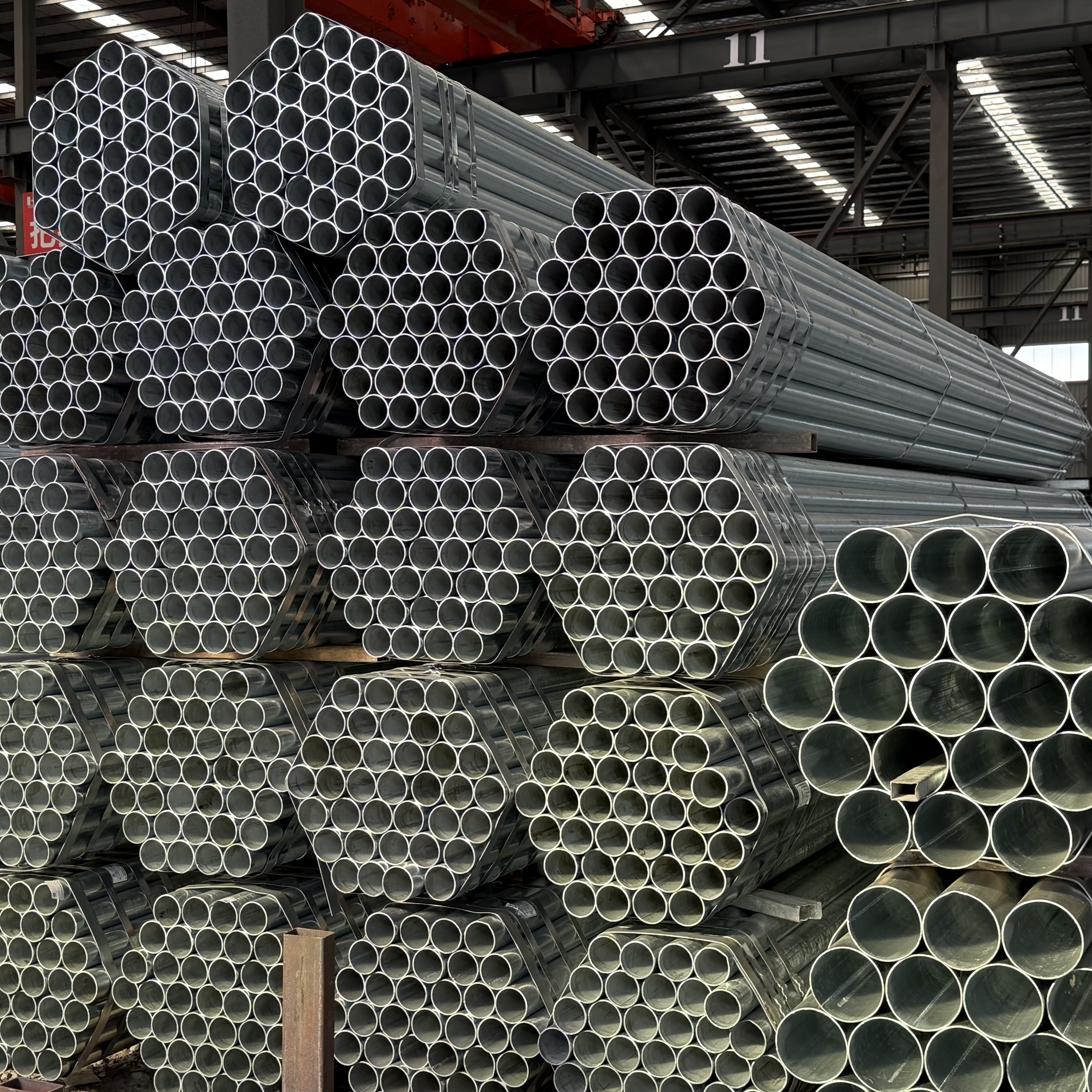
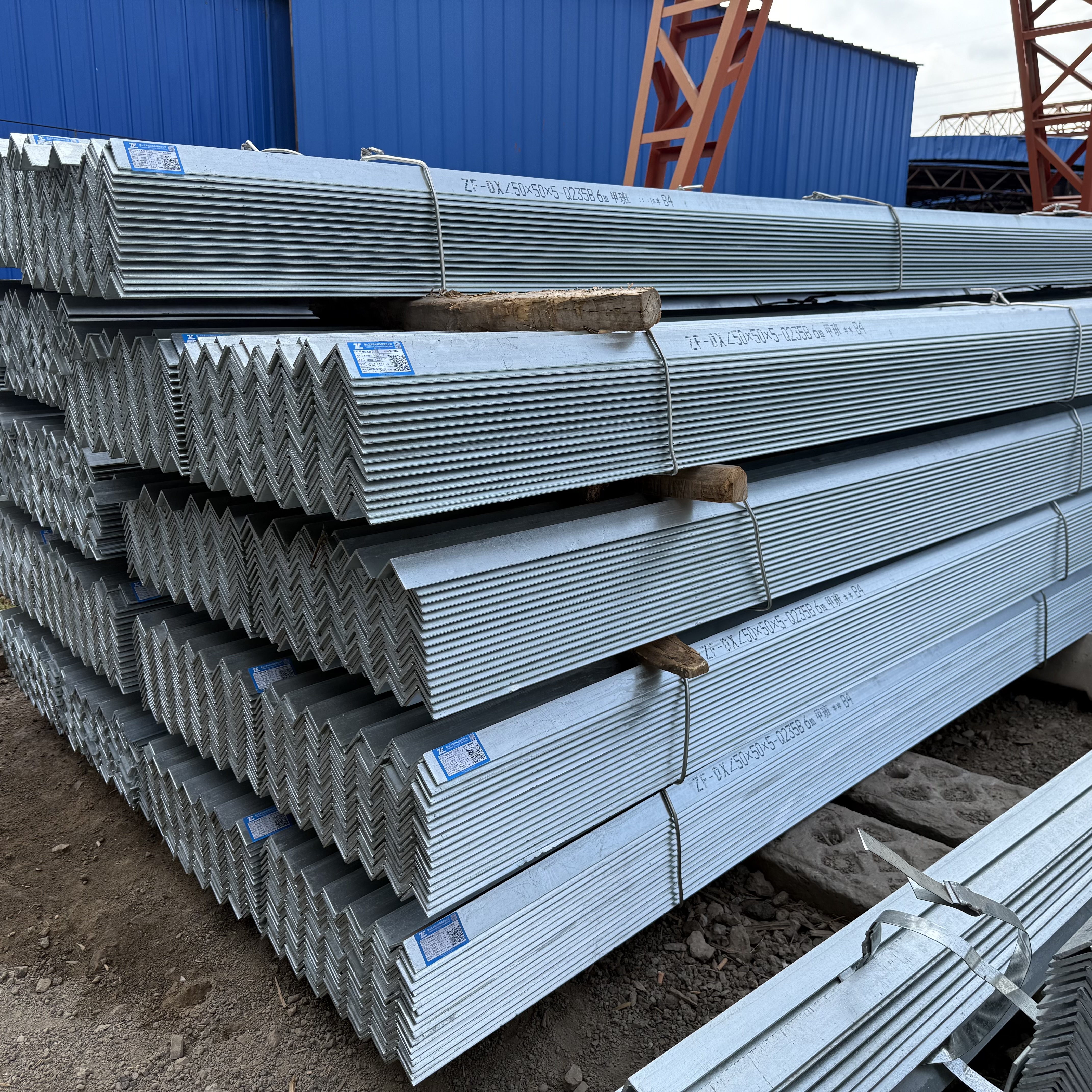
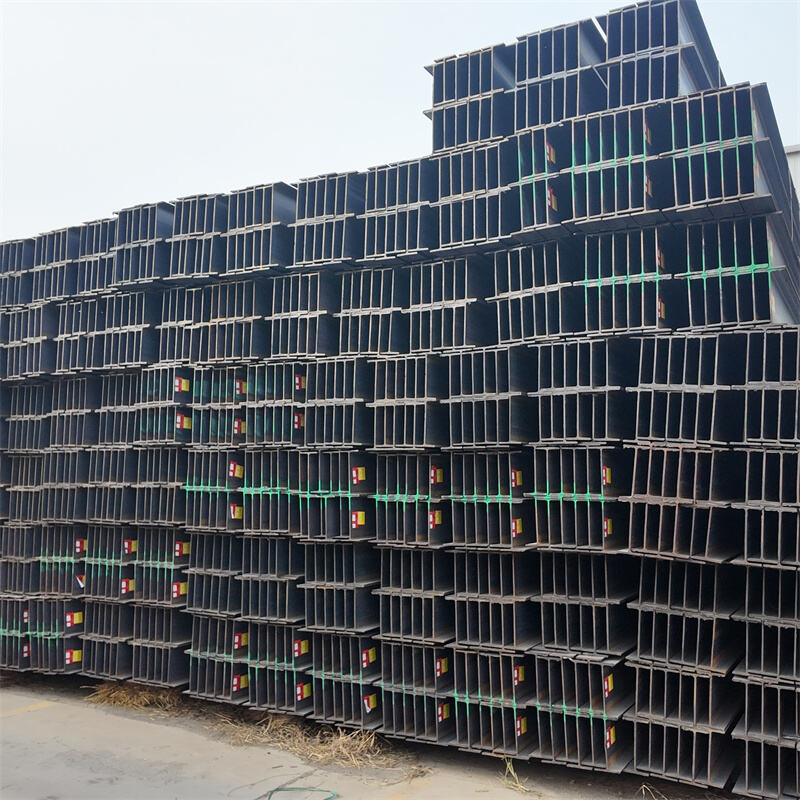
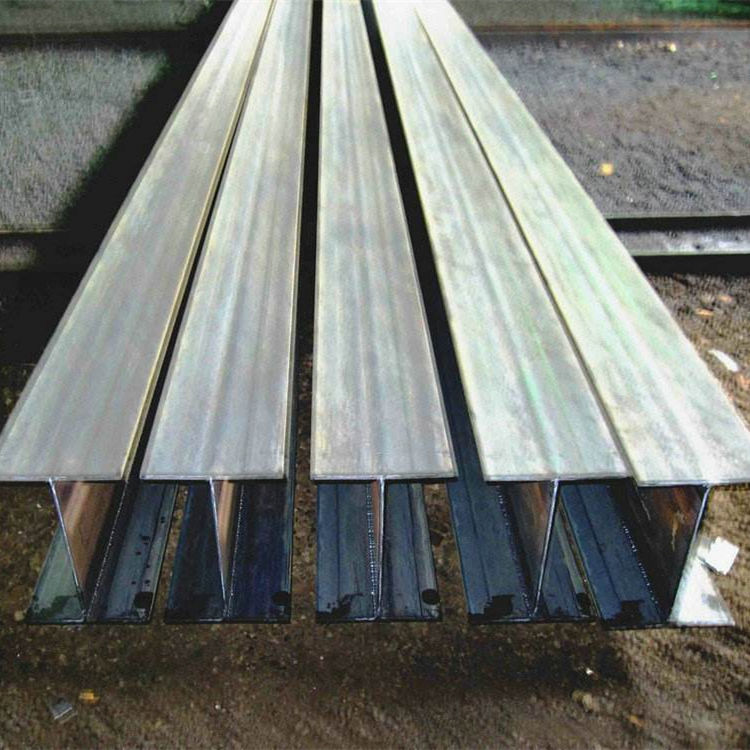
Learn the Grades First To avoid these problems, start by learning about the grades. At Kunyu, we do buyers this favor by pointing out the differences in a layperson’s language. We recommend a close look at the project needs. For instance, if a steel plate needs to carry weight down a hallway and has little support from end walls, a thicker (higher gauge) carbon grade may be optimal. A lower carbon grade may be the best choice if the plate needs to be bent or shaped. In addition to that, always measure the size and thickness you will need before purchasing one as this can save a lot of time and money. Lastly, always inquire if the steel has been heat-treated or tested. Kunyu ensures quality from all of these carbon steel plate grades so that buyers get the product they need without a lot of hassle. Also, Kunyu offers a wide range of steel profiles to complement your project needs.
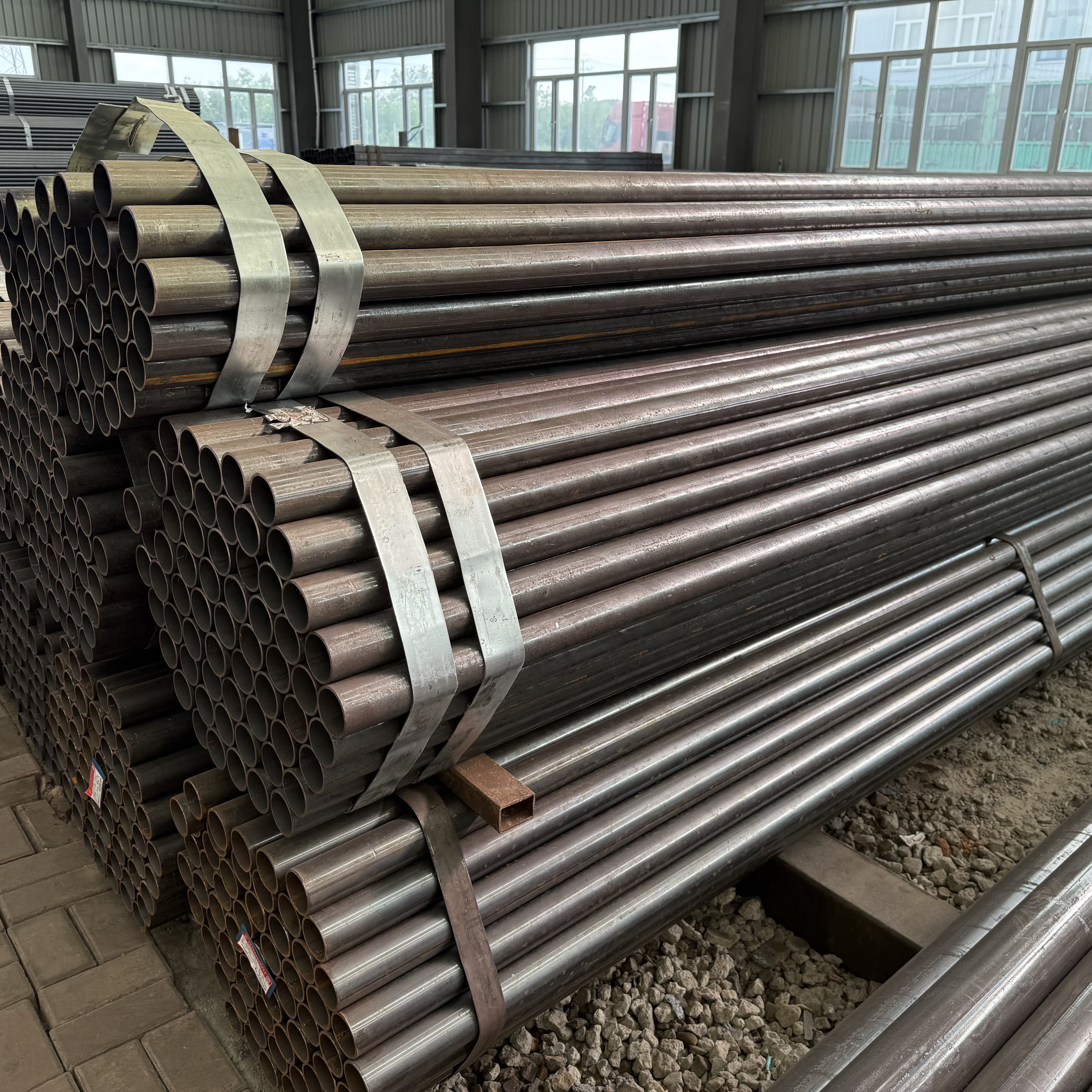
Then on the other hand in Industry purchasing the Special Steels has become quite tricky because of minimum purchase quantity condition, that is never the case here on this platform. Many users of carbon steel plate will use it in reference to a36. Why these grades are gaining in popularity, though, is likely for several reasons. To begin with: carbon steel plates are strong and durable. That means they can be used in the same way — building bridges or houses, making machines or cars. Because they are so strong, they are used on large projects that require the steel to last a long time. What’s more, carbon steel plates are cheaper. They’re less expensive than other varieties of steel but still of great quality. For those of you looking to keep overhead costs down without sacrificing quality, carbon steel plates are an ideal solution.
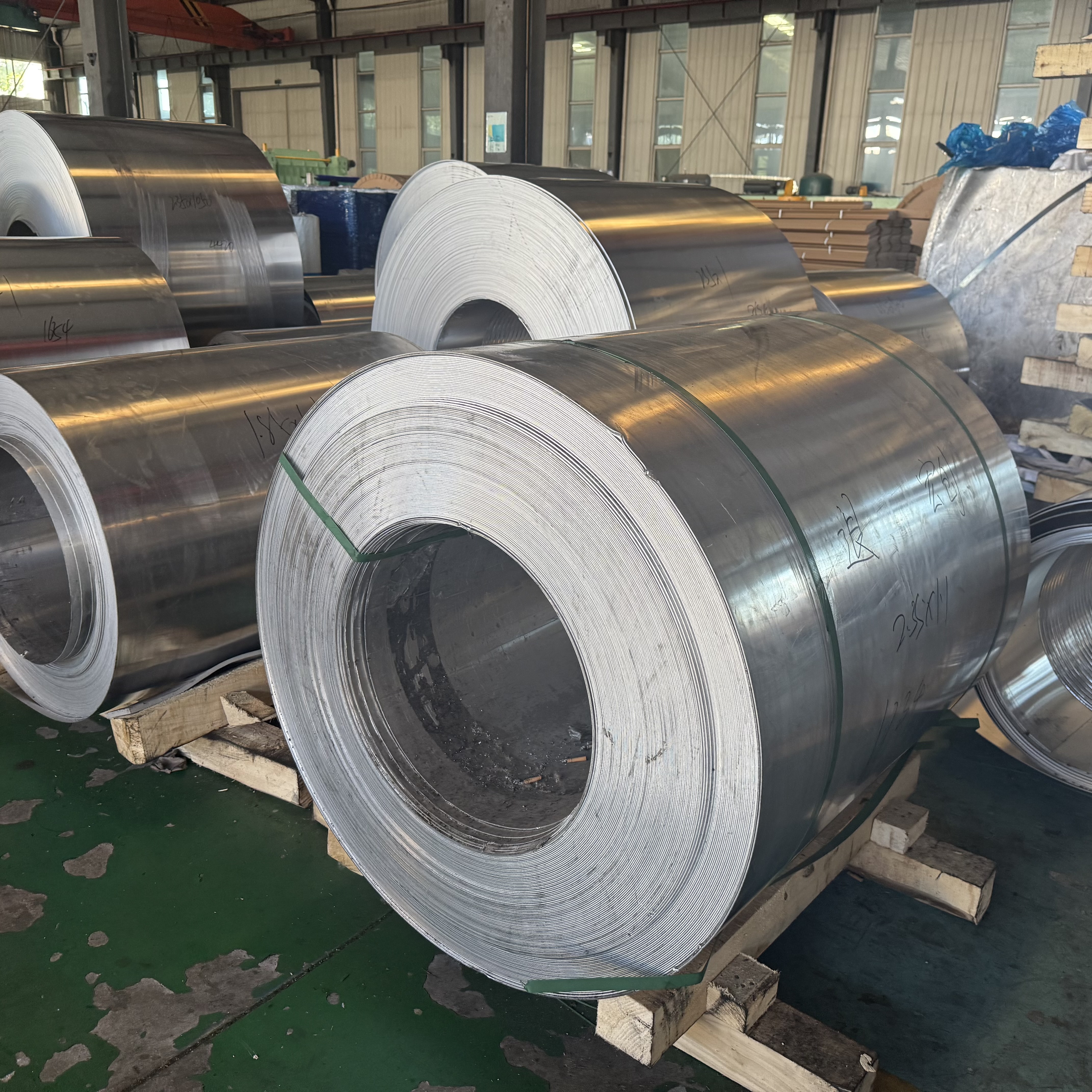
When purchasing carbon steel plate grades in quality, keeping the consistent level of excellence for each plate is critical. Mix and you will end up with potential weaknesses or flaws in the project. There are many factors that the buyers of steel plates need to consider before and after buying in order to maintain quality. There are two points I want to emphasize on this one - First, it's critical to partner with a company that has strong quality controls. Kunyu has carried the strict examination to every carbon steel plate operating. These tests evaluate the strength of the steel, its thickness and chemical composition to ensure they conform to the grade promised. Additionally, Kunyu also stocks steel wire and other related products to meet diverse industrial needs.
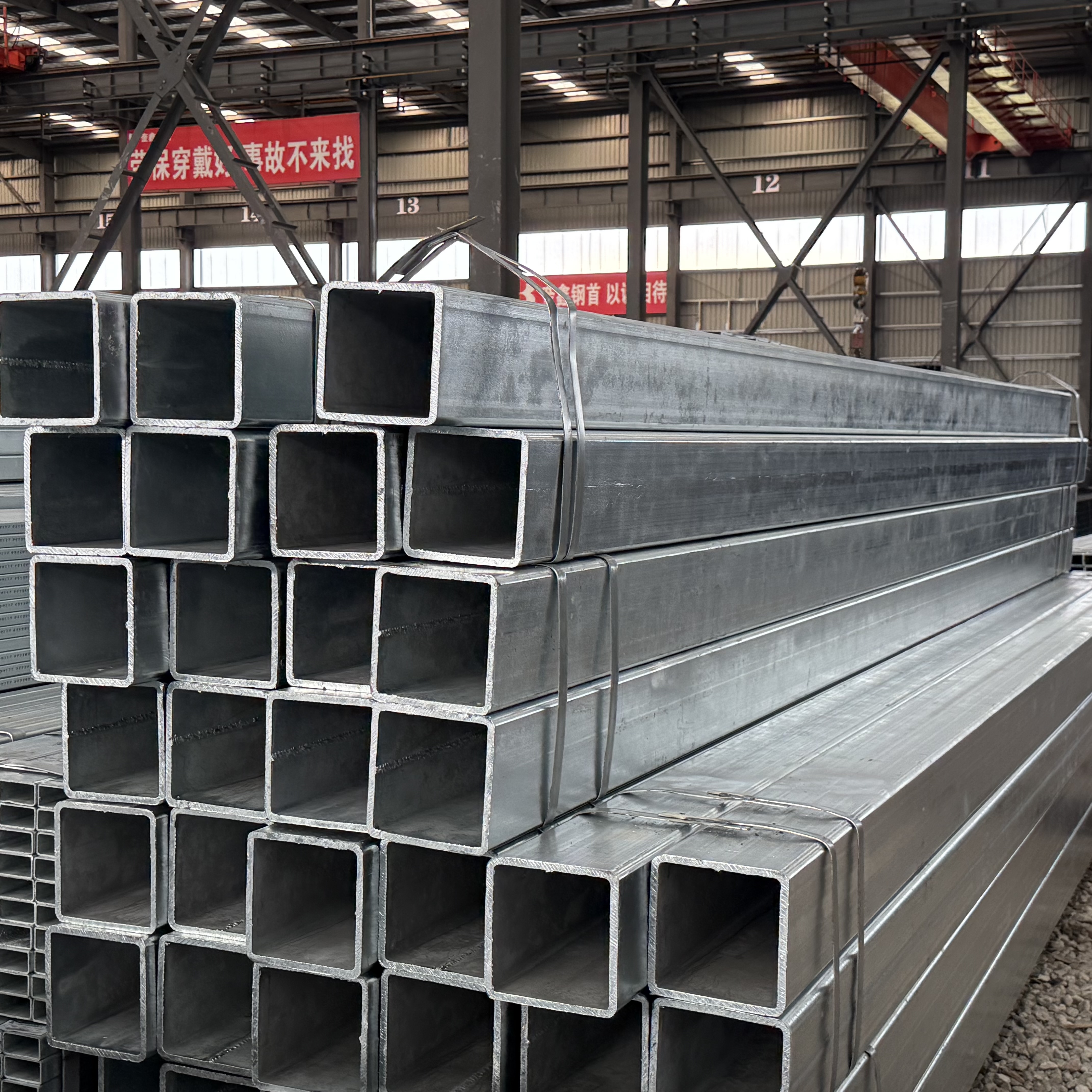
Our factory produces a wide range of high-quality steel pipes including carbon steel, galvanized, anti-corrosion, and seamless pipes, supported by dedicated technical teams to meet specialized client needs.
We maintain strategic partnerships with major domestic and international steel mills, operate port warehouses, and implement professional warehouse management to ensure timely, secure, and competitively priced supply worldwide.
Based near Tianjin Port—Northern China’s largest comprehensive port—we leverage strong logistics networks to provide efficient and cost-effective shipping solutions to 200+ countries and 800+ global ports.
We combine over 15 years of steel pipe manufacturing experience with professional international trading, offering a seamless supply chain from production to global delivery.
 EN
EN