 EN
EN

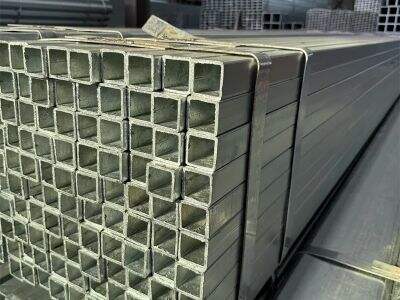
When it comes to cast iron pipes, the method used to make them plays a big role in their usefulness and long-term reliability. As one of the top players in the manufacturing world, Kunyu knows that the way the pipes are produced directly influences their strength, endurance, and overall performance. Casting technology refers to the various procedures involved in shaping and hardening iron to form the pipes. The most common ways used in casting pipes are sand casting and ductile iron casting, each having a number of different benefits. With more advanced casting technologies, Kunyu is able to develop pipes that withstand high pressures, resist corrosion and that last for a long time. This makes it a smart choice for construction projects.
How Casting Technology Enhances the Durability of Cast Iron Pipes?
The ability of cast iron pipes to last a long time is primarily due to the method of production. When the molten iron is poured into the pipes, how this is done determines the pipe's strength. An example of a casting method that is often used is ductile iron casting, a technique that enables you to produce more flexible pipes which are able to endure more stress. Flexing of the pipes ensures that they do not fracture. Kunyu is equipped with the latest casting technologies, which allows for the production of even cooling to prevent flaws from occurring in the pipe and thus reduces the possibility of later cracks. In some casting processes additional materials are mixed with the iron so that it can be more resistant to rusting. Rust causes severe problems in pipes, often forcing them to be replaced at a cost to those concerned. Using the latest casting techniques, Kunyu ensures that their cast iron pipework are strong enough to cope with stress from traffic above or materials below.
What Factors Influence the Performance of Cast Iron Pipes in Construction?
Several issues influence how cast iron pipes will perform on construction sites. The type of materials used is very important; a poor quality iron may lead to a less durable pipe. This could be iron that is contaminated or just not of a sufficient grade. The design of the pipe also plays an important role as it needs to be thick and wide enough to handle water under pressure as well as whatever else will be inside. How the pipe is laid is also essential. It has been found that by using a number of different methods you can stop clogs or drips from developing if they are laid properly. Environmental factors such as temperature will impact how a pipe performs over a long period of time and will have effects such as contraction and expansion. Taking all these factors into account ensures the most robust casting, allowing for the production of a more efficient pipe.
Selecting the Optimal Casting Technology for Quality Cast Iron Pipes
Choosing the right method of making cast iron pipes is one of the most crucial parts of producing a durable product. Certain types of casting processes offer several advantages and disadvantages. Some popular casting techniques are sand casting, shell molding and die casting. Sand casting is a commonly used process as it is very adaptable and affordable to do, allowing the iron to be cast to any shape or size; the pipe produced is often quite rough. Other methods, such as shell molding, may produce a finer surface quality, or be suitable for highly detailed castings, but will normally be a lot more expensive.
Therefore, when it comes to deciding on a casting technique it will depend on what the finished pipe is intended to do. Pipes that will be used for transporting fluids at high pressure or that will have to be used in very low or very high temperatures will likely require an more specialized casting technique to be used. It is also vital that top quality raw materials are used. In the case of making cast iron pipes, this is iron with little contamination and few impurities; Kunyu works extremely hard to make sure this is the case with all its products. The workers involved will also need to have been thoroughly trained in casting technology. A more skilled worker will be better at producing high quality pipes, as will more advanced equipment. It is crucial that the worker can handle the casting techniques proficiently, so that a high quality product is created.
Common Cast Iron Pipe Issues and Solutions
Despite their excellent durability, cast iron pipes are prone to certain problems in their service life. Rusting is the most common. When exposed to moisture and air, the iron can start to oxidize. To prevent this, it's essential to use a suitable coating; this will help protect the pipe and extend its useful life. Cracks are another common issue that tends to occur with improper installation of the pipes. Laying the pipe down carefully will prevent damage being caused at the time, and using an appropriate fitting will further reduce the risk.
Clogging is a problem which occurs when a pipe becomes blocked with dirt or other debris. While some blockages can occur without damage to the pipe, others may eventually lead to the pipe bursting, especially if it's made of iron. Regularly cleaning the pipe will help prevent such build-ups from forming. It's also advisable to get it checked frequently. Many leaks develop in a pipe's lifetime, which may or may not need immediate repair. At Kunyu we recommend having regular inspections done of any cast iron sewer pipe on your property so you will know what is going wrong and when. High and low temperatures can also have an impact, and if these fluctuations occur over a sustained period they can cause cracks to develop in pipes. A specific kind of cast iron may be needed to carry pipes safely through this kind of weather.
How to Source the Best Cast Iron Pipes for Wholesale Purchases?
If you intend to buy cast iron pipes for wholesale use, it is important that you purchase them from reliable suppliers and that they are suitable for your needs. When selecting suppliers for your cast iron pipes, find someone that has a good reputation. Such an individual will have plenty of experience with pipes and know the market well. Kunyu, is a premier producer of high-quality cast iron pipes and we endeavor to meet our customer's needs exactly.
When making your selection from suppliers, pay close attention to the range of pipe products offered; the project you are carrying out will have a specific requirement regarding size, type, and dimensions. Be sure that your supplier also checks their quality control procedures and that they only allow compliant pipes onto the market. The pricing will be a concern for business, and although you do want a cheap product, do not compromise on quality by choosing one that is too cheap to be reliable.
Finally, look for suppliers who offer good support service for the products they are selling. If a problem does occur or if you have queries about the pipes, a good supplier will be able to provide solutions with minimal hassle. Kunyu pride ourselves on being able to offer a helpful and reliable service and will try to cater for all customer requirements when sourcing and producing our cast iron pipe.
Table of Contents
- How Casting Technology Enhances the Durability of Cast Iron Pipes?
- What Factors Influence the Performance of Cast Iron Pipes in Construction?
- Selecting the Optimal Casting Technology for Quality Cast Iron Pipes
- Common Cast Iron Pipe Issues and Solutions
- How to Source the Best Cast Iron Pipes for Wholesale Purchases?